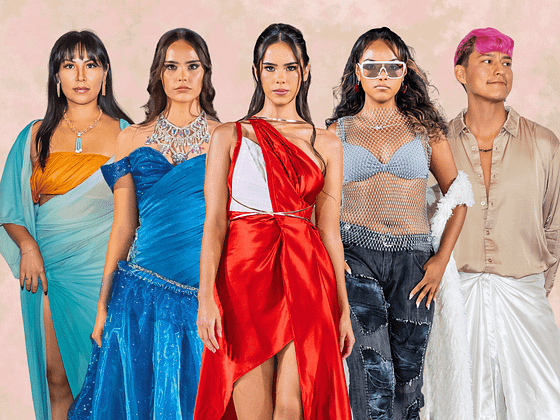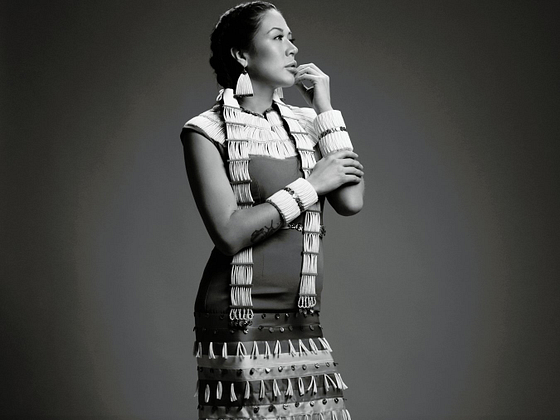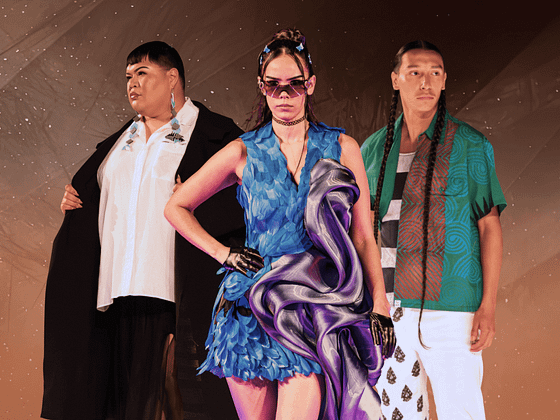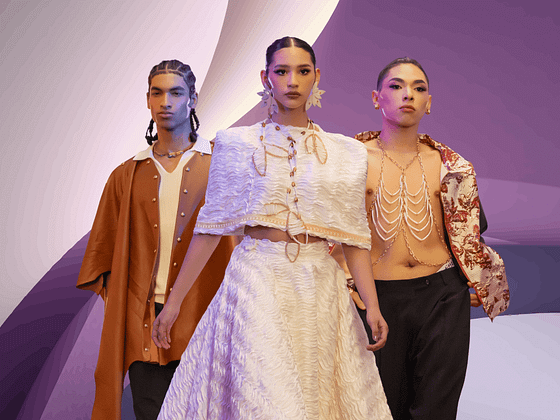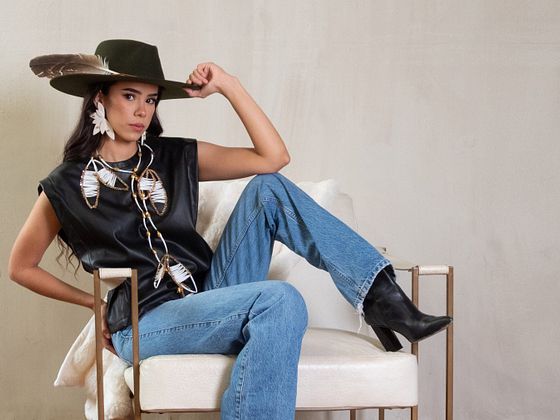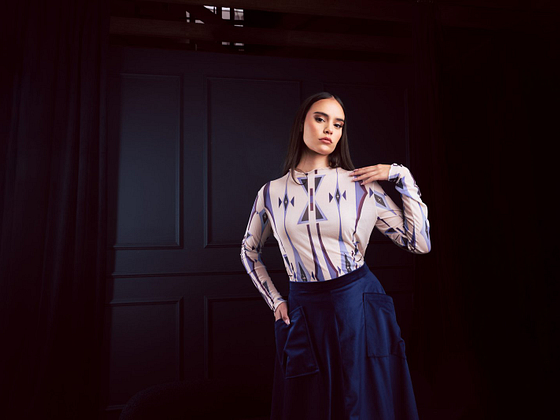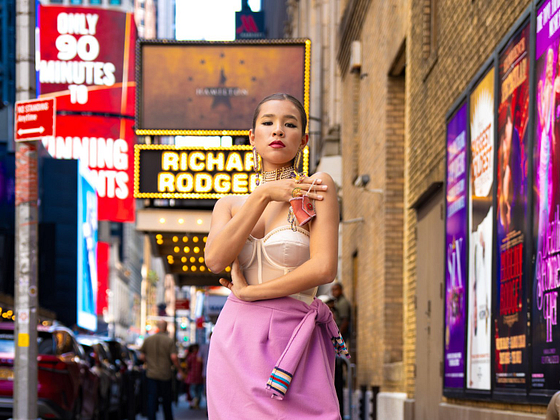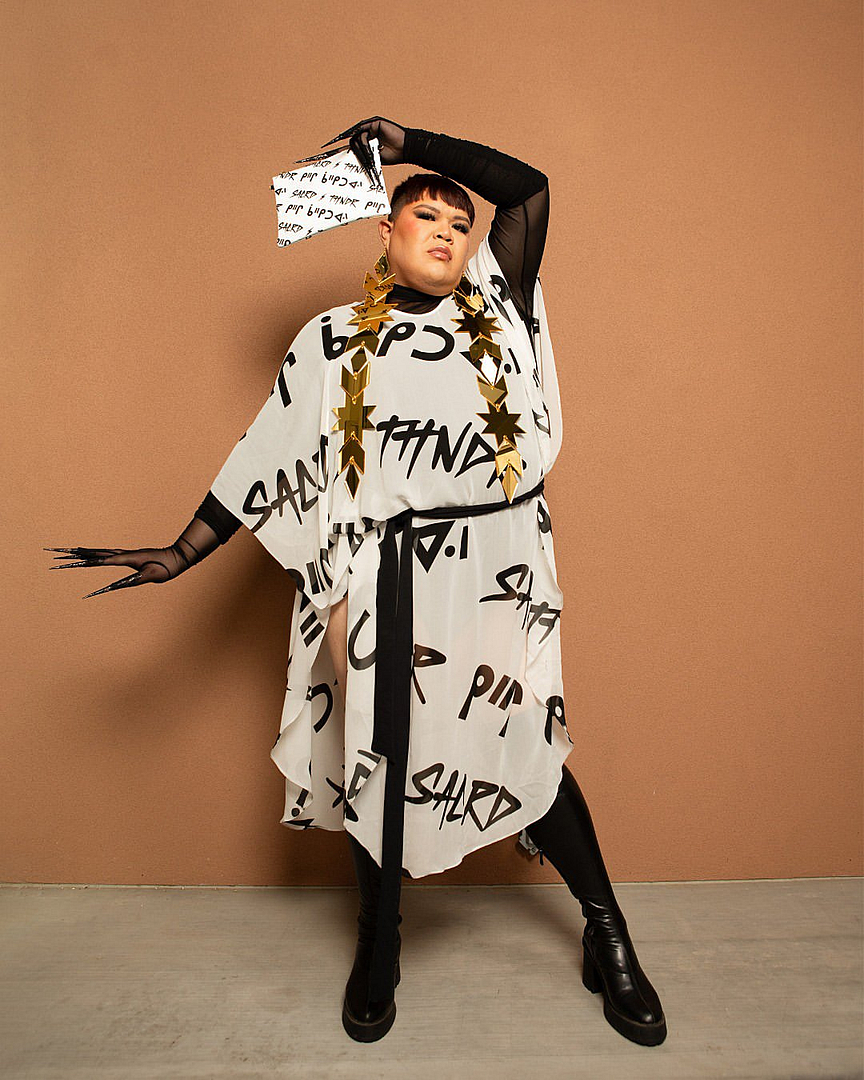
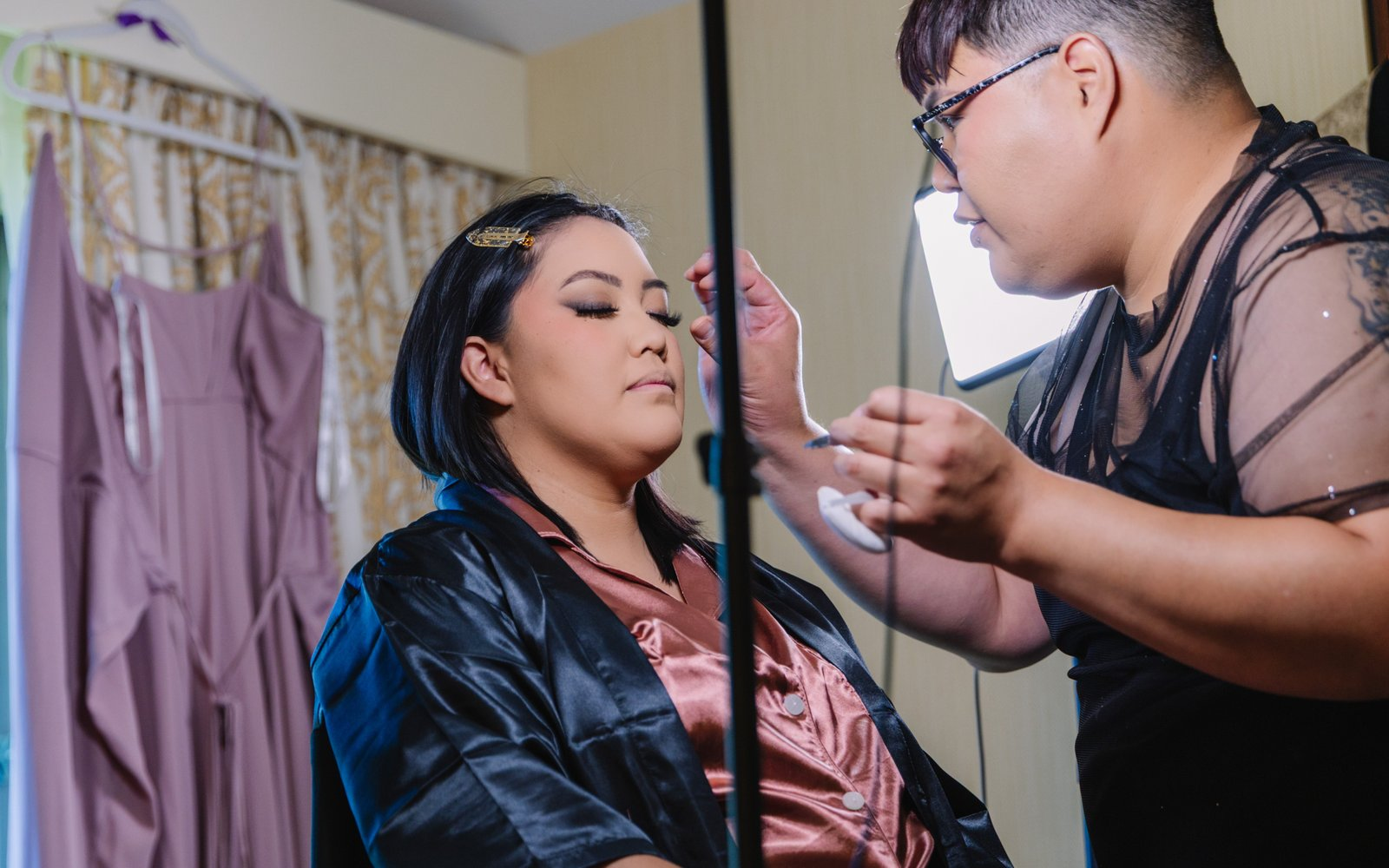
Representation isn’t just about being seen; it’s about opening doors. For Ryan “Breezy” Grass, 39, those doors were first nudged open by watching Patricia Michaels compete on Project Runway, and today, he’s the one leading the way. A Senior Program Coordinator in behavioral health by day and a runway powerhouse by night, Ryan (Diné/Southern San Juan Paiute) bridges the gap between community service and Indigenous fashion. His influence also extends behind the scenes; as a skilled makeup artist, he has lent his vision and likeness to established beauty brands like Prados Beauty and N8iV Beauty.
His rise comes at a pivotal moment for the industry. Following the tragic passing of George Floyd in 2020, fashion saw a much-needed shift toward inclusion, with brands rushing to diversify runways and boardrooms. However, in 2025, that progress faces a new about-face. As the return of the Trump administration brings a wave of anti-DEI policies and executive orders targeting diversity initiatives, many mainstream fashion houses have treated equity as a passing trend, quietly pivoting away from their promises of change.
Yet, despite the ebb and flow of these systemic barriers, Ryan has found a sanctuary and a spotlight in Native fashion. While the mainstream world wavers, Ryan describes the Indigenous fashion scene as something deeper than an industry—it is a space that feels “like a family” where everyone is connected and valued.
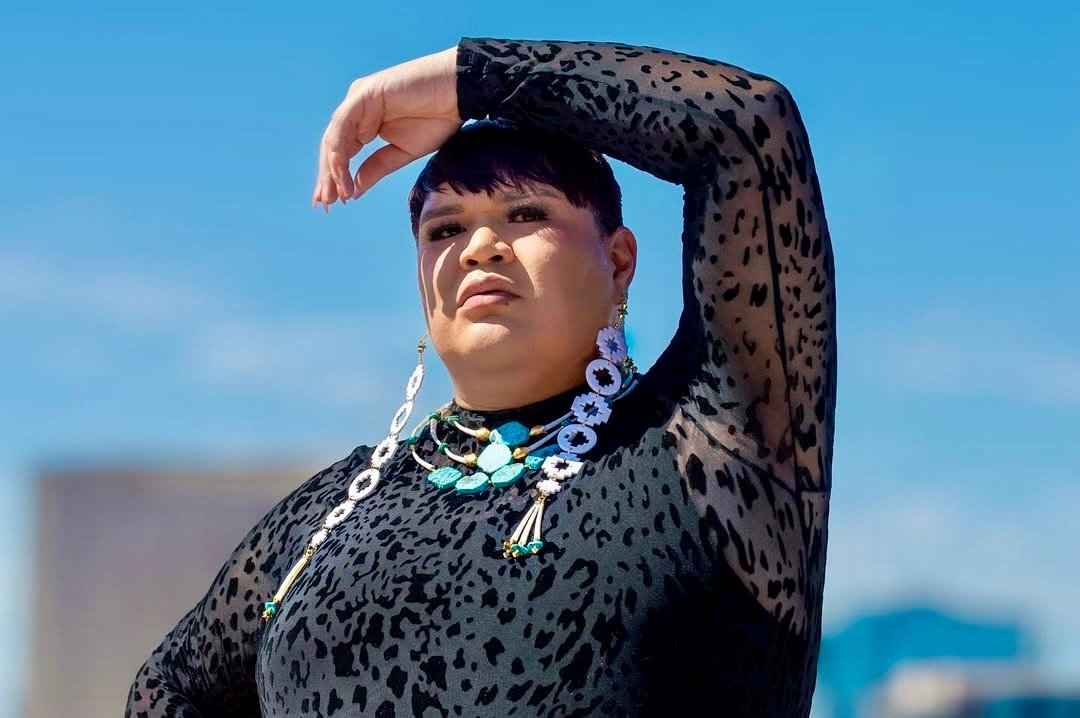
As our inaugural 2025 Style Icon of the Year, Ryan’s journey is a study in staying true to oneself. Whether he is receiving walking tips from Quannah Chasinghorse, advocating for inclusive sizing in streetwear, or coordinating a maximalist look around a pair of “deadly earrings,” Ryan is proving that true style isn’t a trend—it’s a reclamation.
Breezy talks to Indigene about the power of Native fashion, his dream of walking for Willy Chavarria, and why he’ll never sacrifice comfort for style.
Q: How did your journey into modeling begin?
Ryan Breezy: I’ve been modeling for about three years now. It started in the summer of 2022 at a coffee shop in downtown Flagstaff. A server there, Zoe Oliveros, was a photographer and skincare brand owner looking to build her portfolio, and she asked if I’d be interested in modeling for her. I didn’t take it seriously at first because modeling wasn’t something I ever considered before, but we eventually scheduled a shoot. Those photos ended up being the ones I used for my very first runway audition—which I booked a few months later for the SWAIA Gala Centennial Fashion Show in Santa Fe, walking for designer Korina Emmerich.
Q: You also work as a makeup artist. Did you study the craft formally, and how does it influence your work as a model?
RB: I am a self-taught artist, constantly learning from other Indigenous MUAs. My journey started in 2012 as an assistant for Shayne Watson; since there weren’t many Indigenous MUAs then, I’d handle makeup while Shayne did hair. I practiced at local events for years until 2023, when Cece Meadows of Prados Beauty invited me to work for SWAIA with designer Orlando Dugi. That was a turning point for my career. To me, fashion and makeup are art forms without rules—it’s how I express myself and it gives me the confidence I need when I’m in front of the camera.
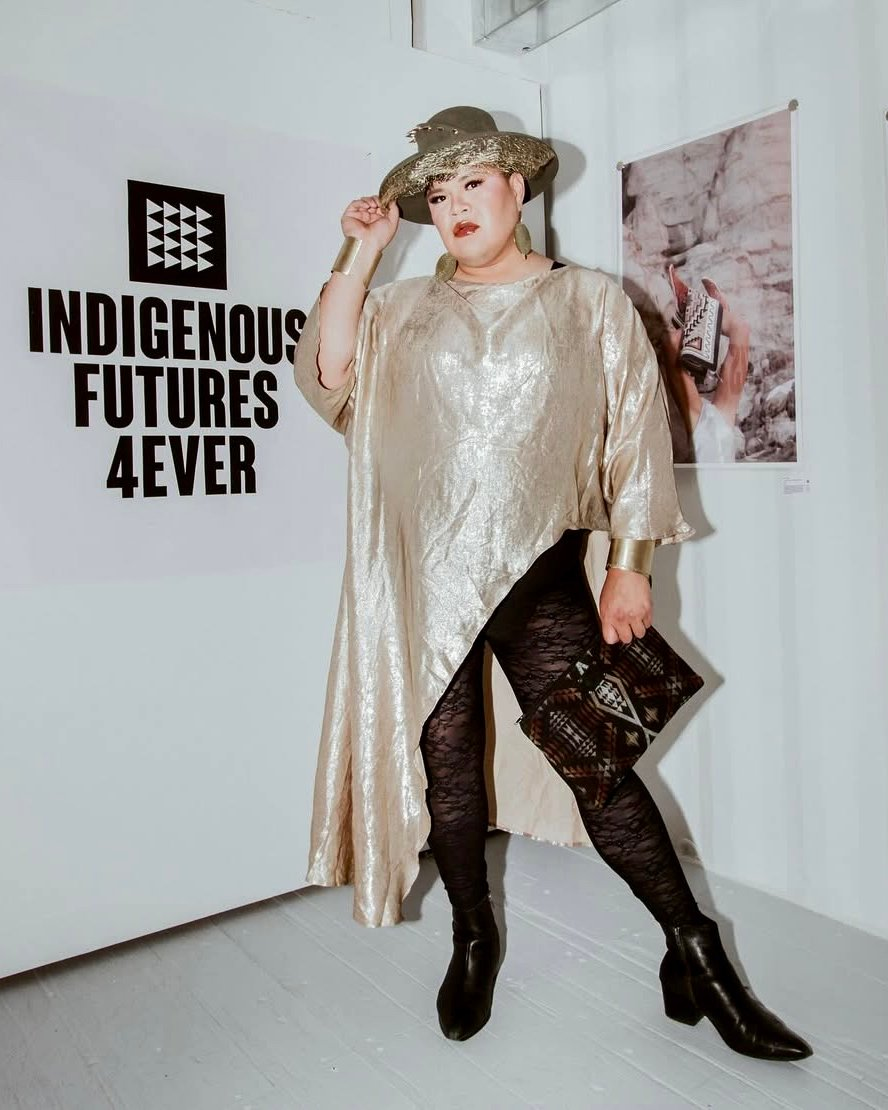
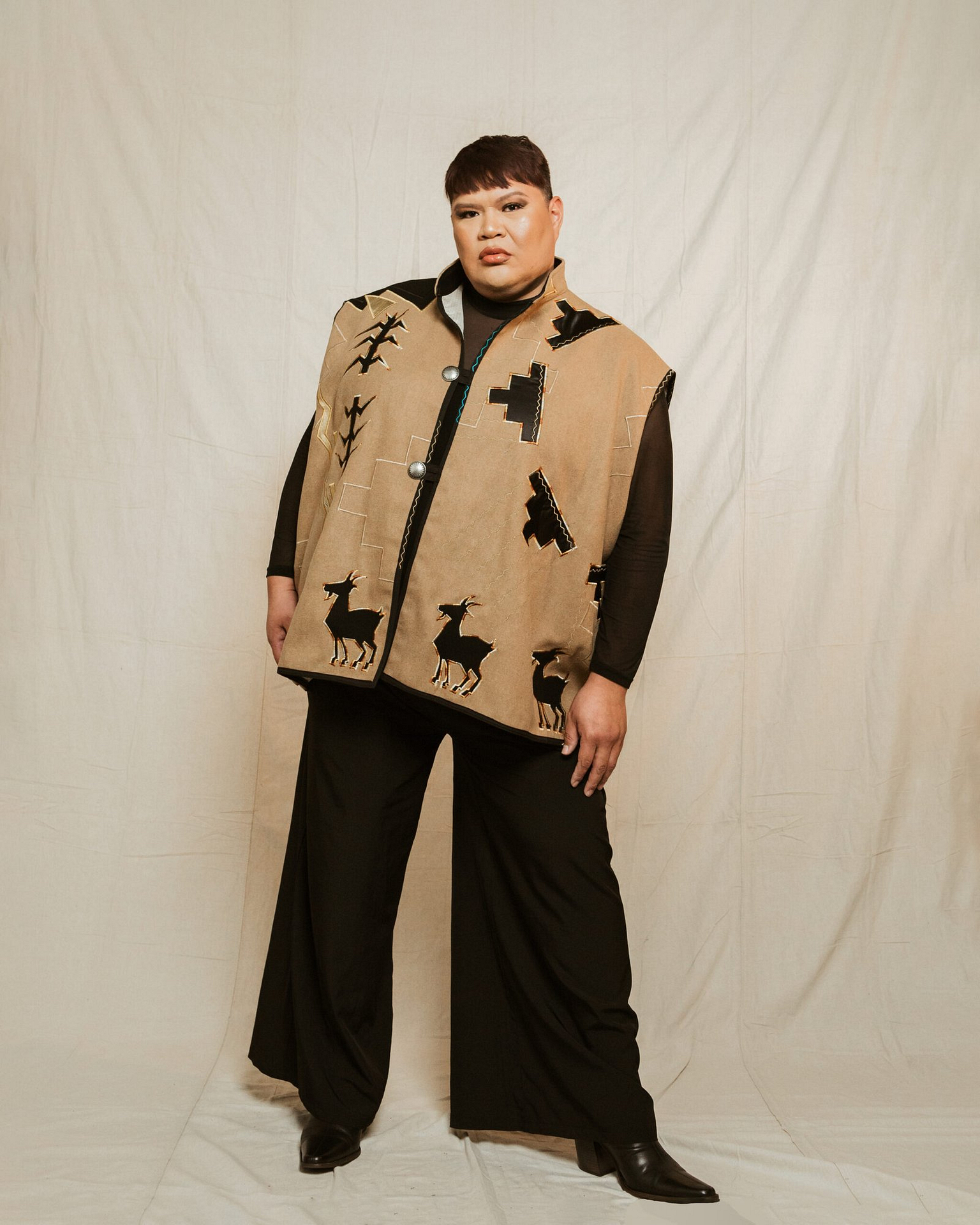
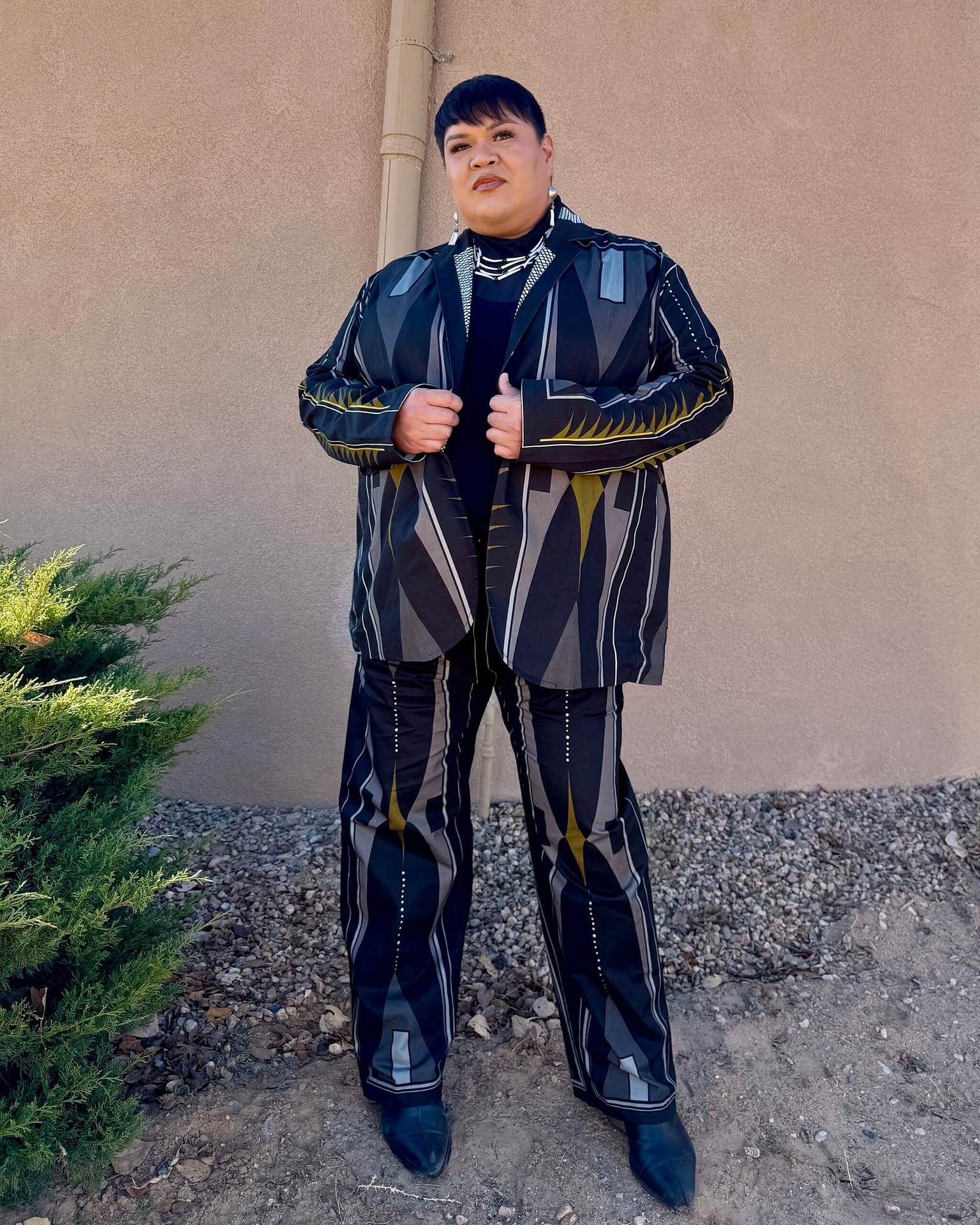
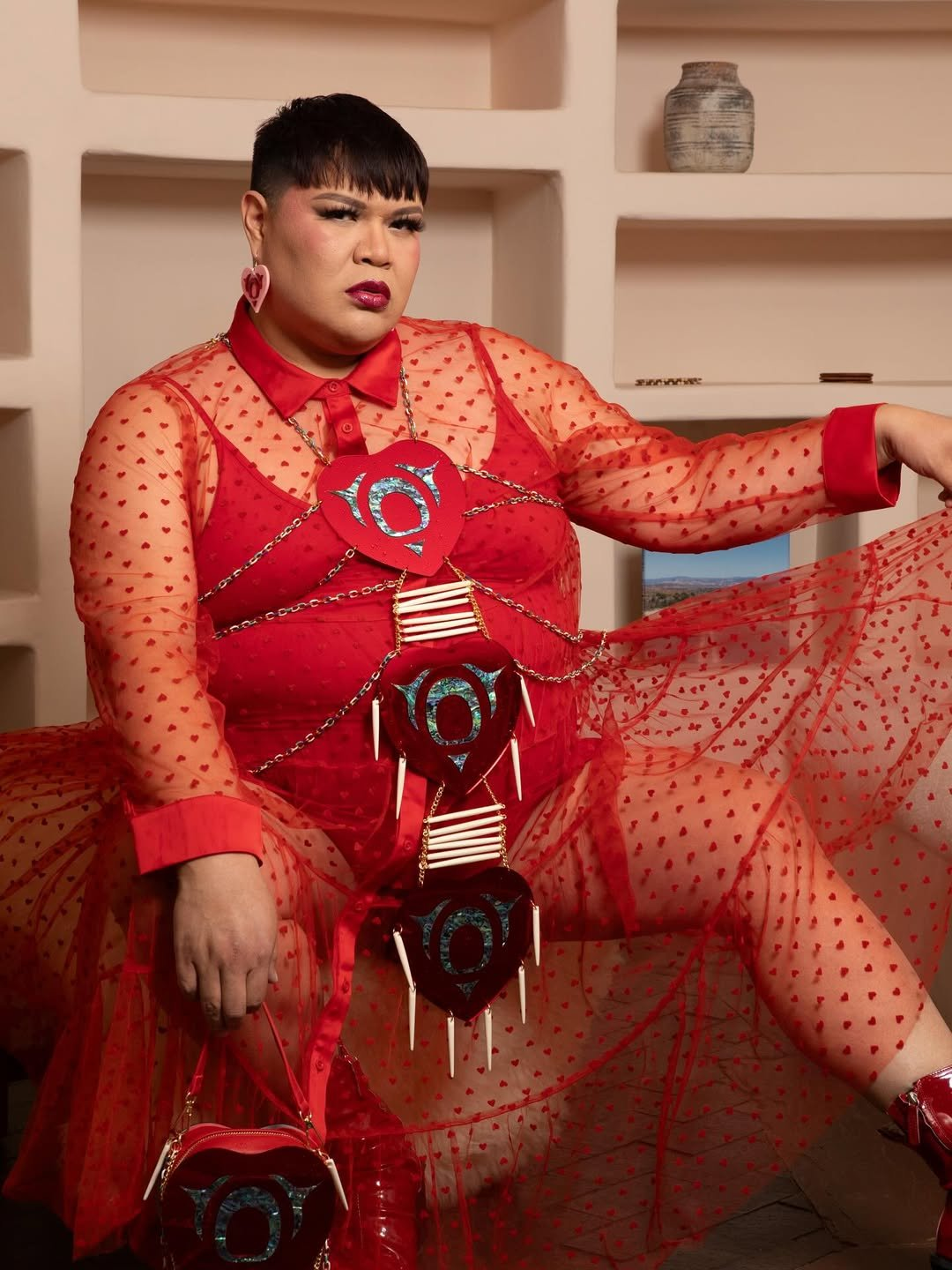
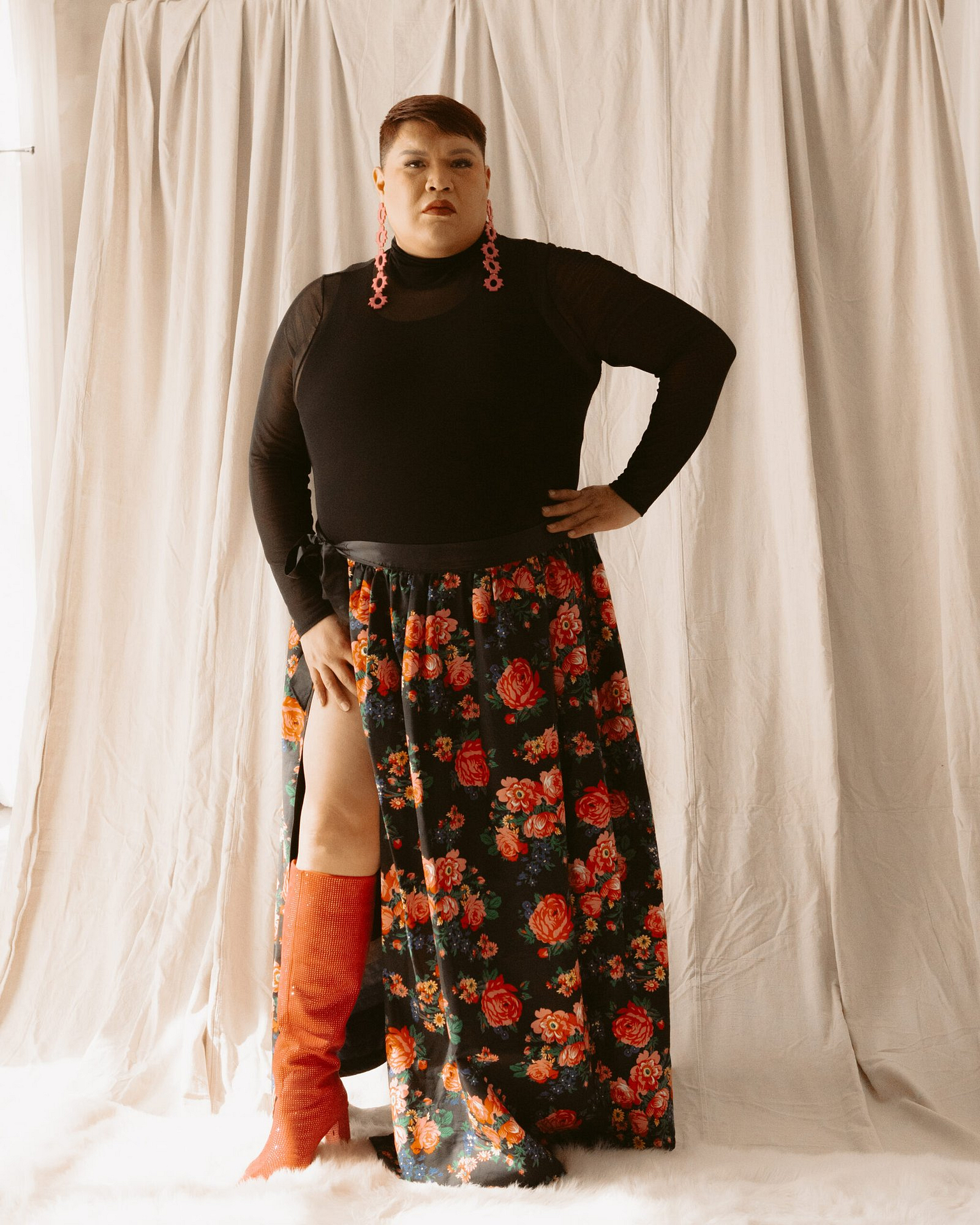
Photos by Darklisted Photography
Q: As a trendsetter, how does your identity influence your personal style, and what does Native fashion mean to you?
RB: My Native identity is at the center of everything I do. I always adorn myself with jewelry—stones, shells, sterling, and beads—much of which has been passed down through my family or collected during my travels. I’ll admit I have an earring addiction, and I’m not afraid of deadly earrings… actually, I prefer it! Most of my wardrobe and makeup kits come from Indigenous designers and small businesses because I believe in supporting our artists whenever possible.
For me, style is how you project your personality. My sister once told me, “You are not always the loudest person in the room, but you let your style speak for you because your clothes are bold and loud.” Beyond that, Native fashion is a powerful political statement that can address the issues our communities face today. It’s about more than just clothes; it’s our stories, our history, and our voice. Being able to help a designer bring those concepts to life, whether as a model or a makeup artist—is iconic. It’s an honor to play a part in sharing that narrative with the world.
Q: As a queer, plus-sized model, you’ve found success in Native fashion, but do you feel the mainstream industry still has a long way to go regarding inclusion?
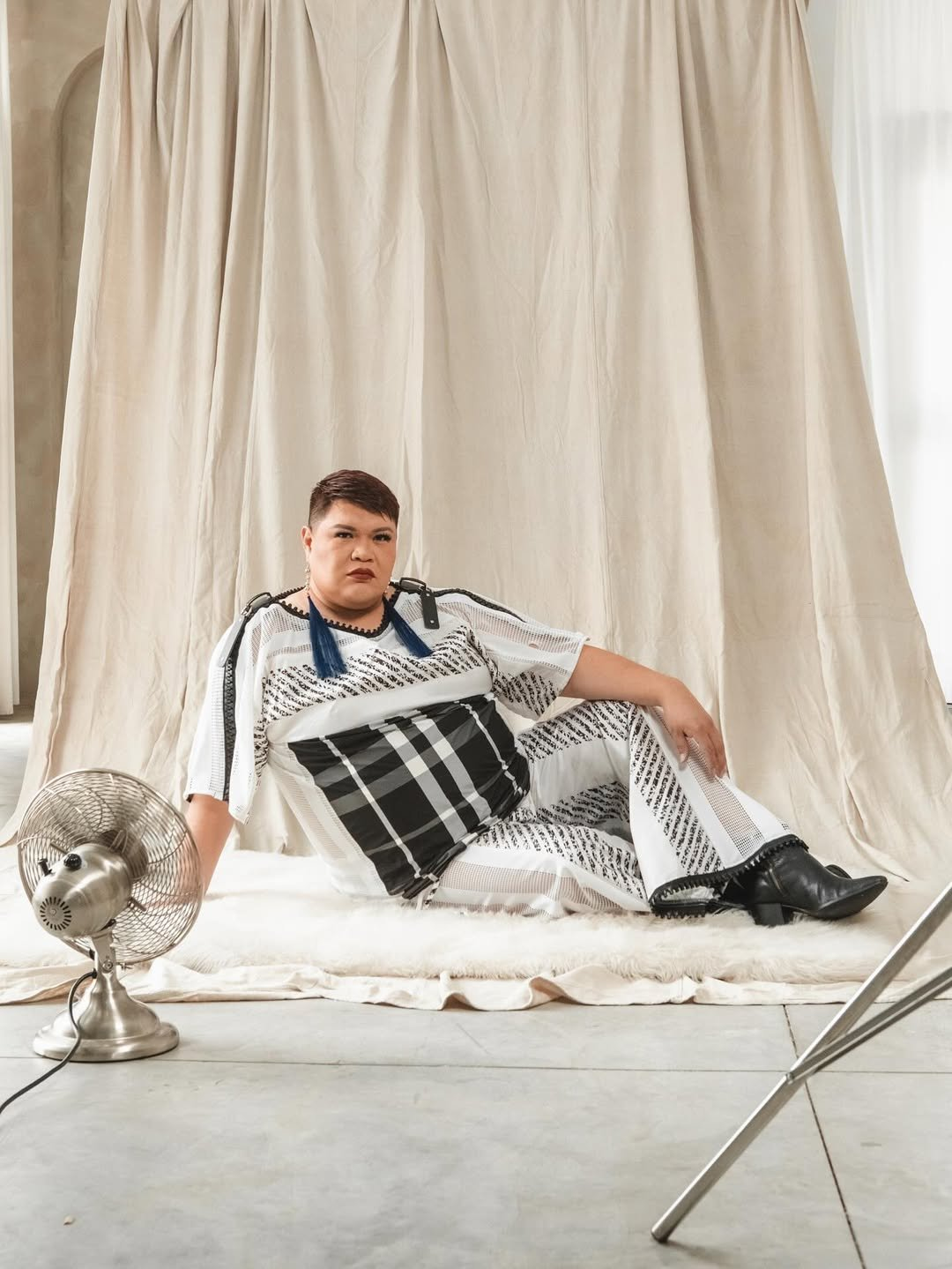
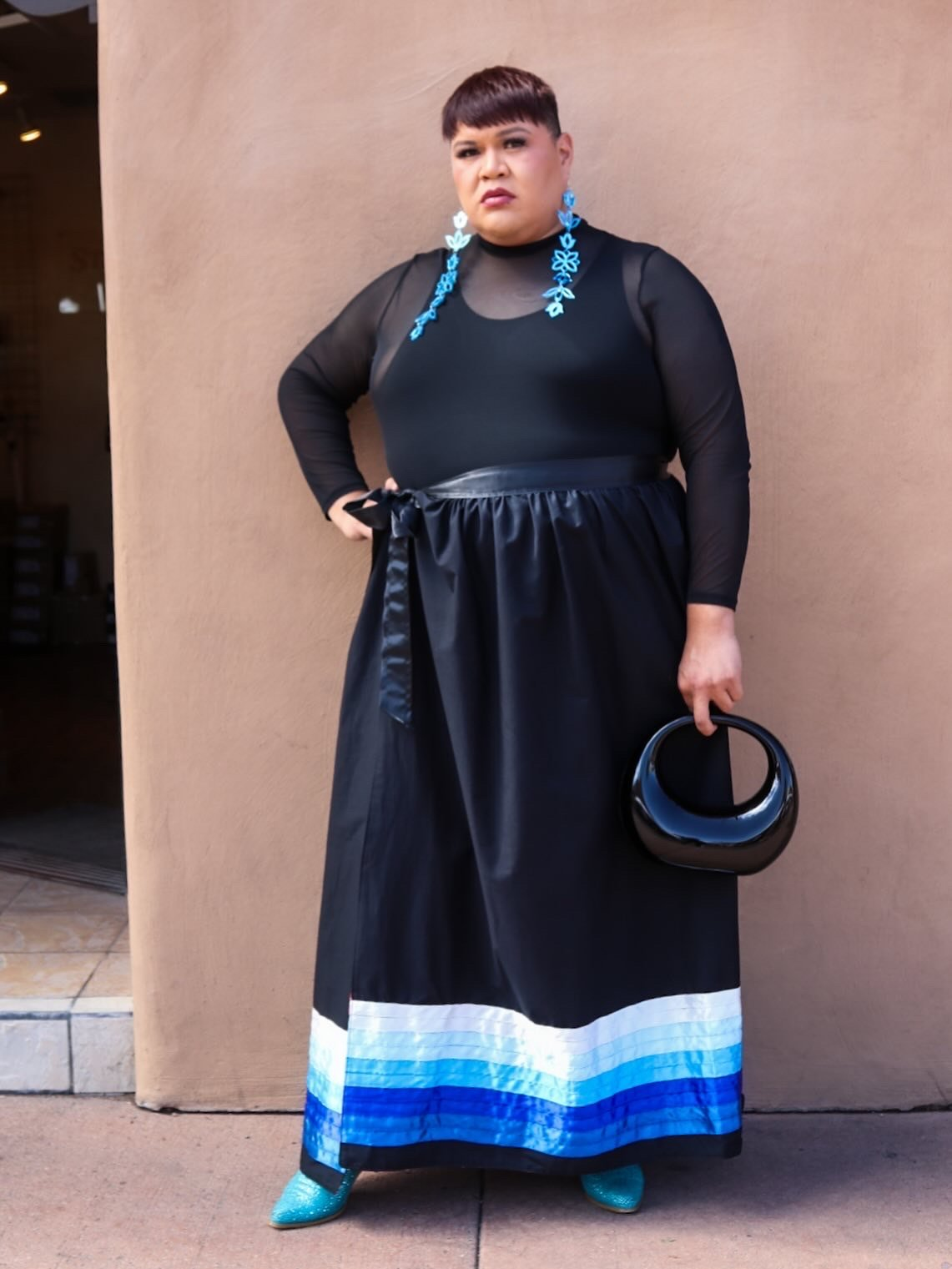
RB: I think in fashion, a shift for more inclusivity is beginning and we are slowly seeing that. When it comes to Indigenous fashion, it is about more than what the clothes look like—again, it’s a story and a culture being portrayed. It feels more like a family; I feel the love and the connection of being surrounded by other Indigenous people.
But the mainstream industry absolutely needs more inclusion for all body types and gender identities. It is empowering to see queer and plus-size representation spotlighted, but to be transparent, when I apply for model calls, I still have to look to see which designers actually include plus-size pieces in their collections. It’s unfortunate that I must base my selection for shows this way, but that is the reality.
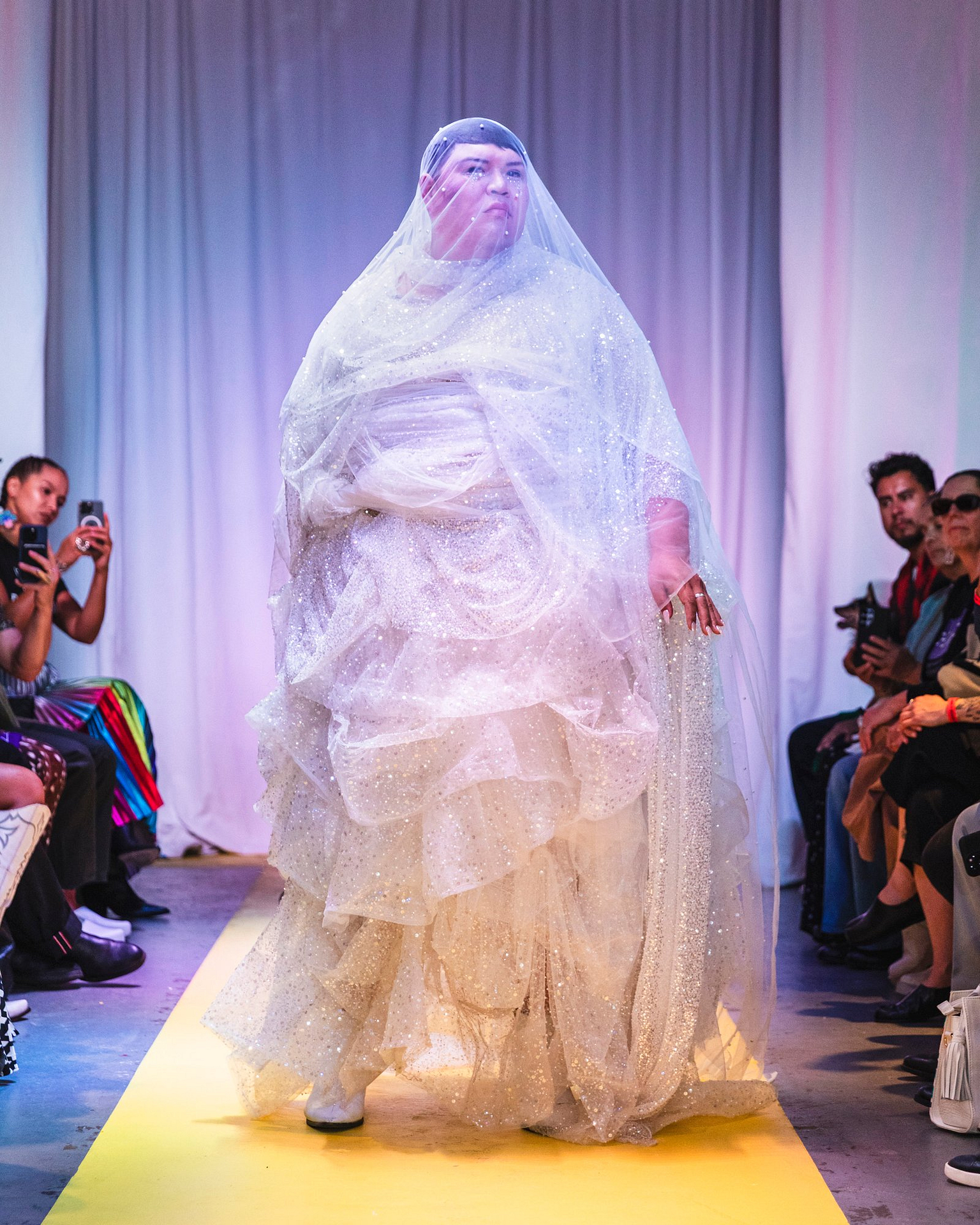
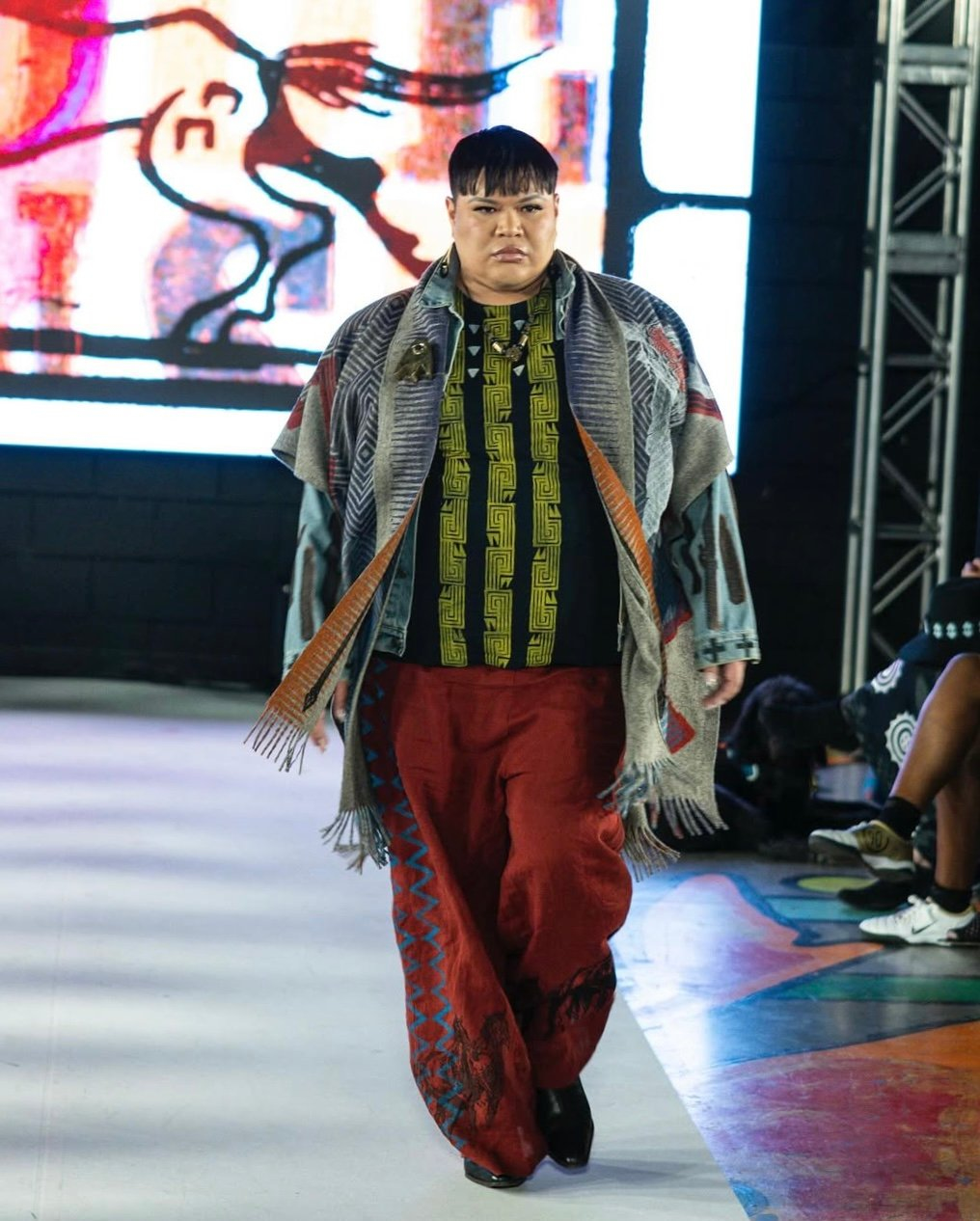
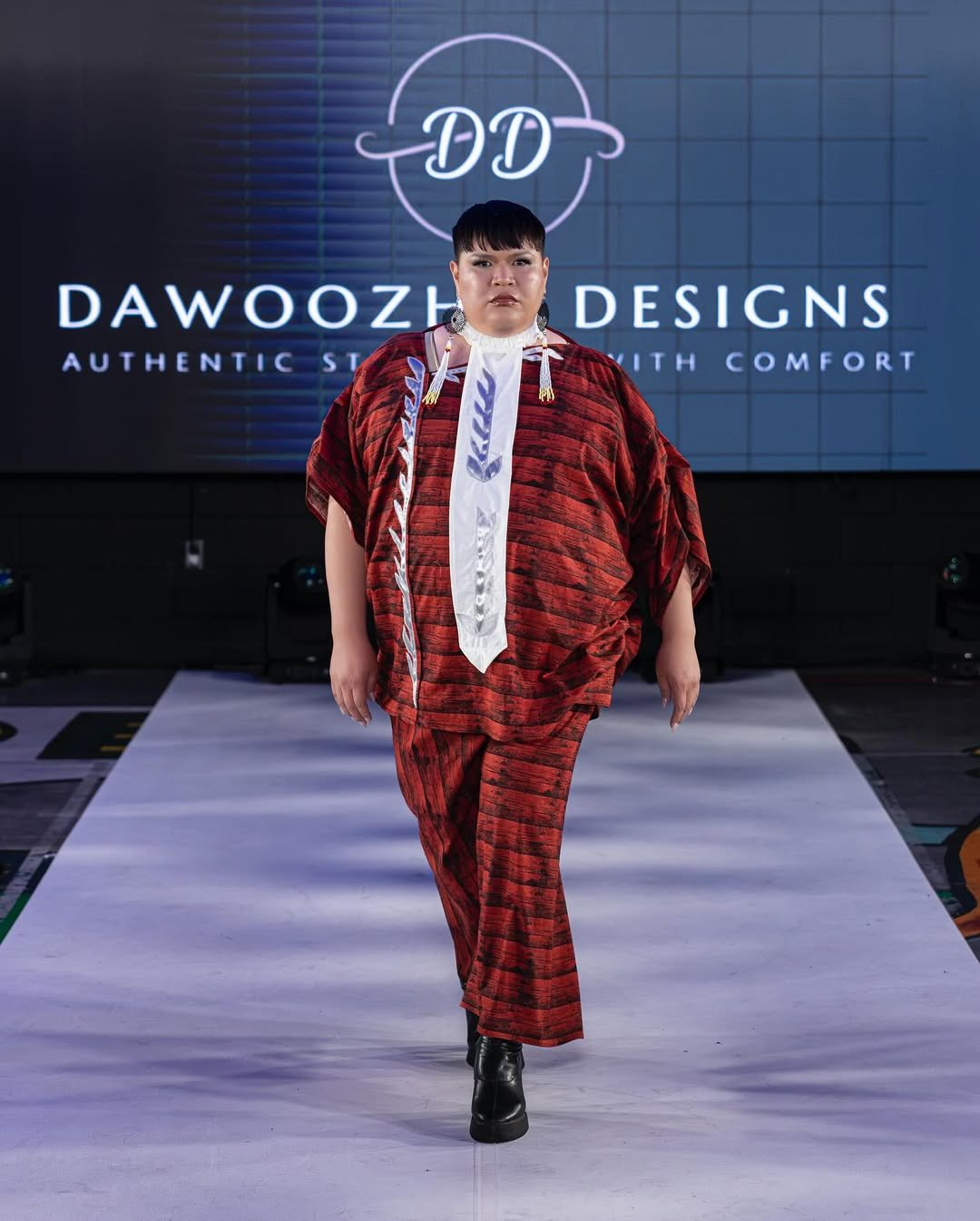
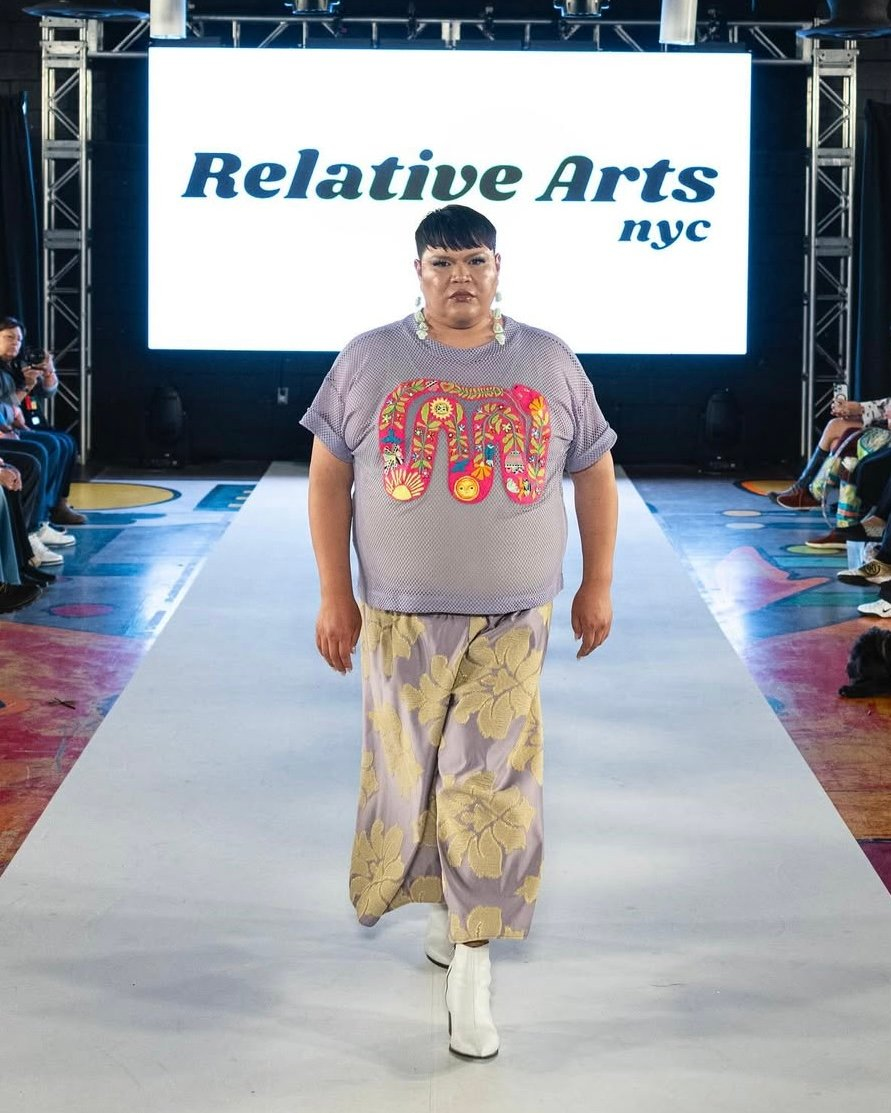

Photos by Shayla Blatchford (INYFW) & Tira Howard (NFWSF)
Q: Outside of the Native fashion world, which brands or designers align with your personal aesthetic?
RB: I love a bold statement, but comfort is a must for me. I recently discovered a brand called “Dressed in Lala.” While they primarily design for women, they offer plus sizes and many of their designs feel very gender-neutral. I am also a huge fan of Willy Chavarria. I love how he takes his cultural background in streetwear and turns it into high-fashion couture. I remember reading that he often selects his models just by walking around the city—it would be a dream to walk for one of his shows.
Q: The fashion world is often described as “cut-throat.” What traditional or familial teachings do you rely on to stay grounded?
RB: My grandmother was always an elegant woman; she never left her house without fixing her hair, putting on her makeup, and wearing her best outfits. She always told us to look our best because someone is always going to have something to say: “If people are going to talk about you, better make it good.” My mother also taught us to always be professional, polite, and to carry ourselves with kindness and love. These are values I keep with me through life and through this industry.
Q: Looking back, 2025 was a landmark year for you. What are you carrying with you into 2026?
RB: I am truly grateful for every opportunity that has come my way. 2025 was a year of “firsts” for me: my first time walking Native Fashion Week Santa Fe, and my first Indigenous New York Fashion Week as both a model and a makeup artist. As I look toward 2026, I hope to be just as blessed with new milestones. Indigenous fashion is taking the world by storm right now, and I am just happy to be part of that journey.
***
As Ryan continues to break barriers as our Style Icon of the Year, his presence serves as a reminder that when you stay rooted in who you are, the world will eventually make room for you.
You can follow Ryan’s journey and see his latest work on Instagram here.